Striper Season with Captain Rob: The Local Guide Who Delivers
24 Feb 2026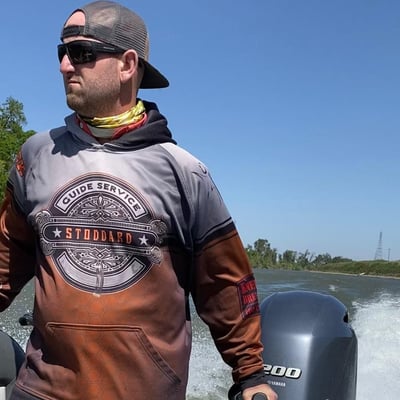 Rob Stoddard
Rob Stoddard












 Paul Kneeland
Stay up to date with the latest fishing reports and expert tips.
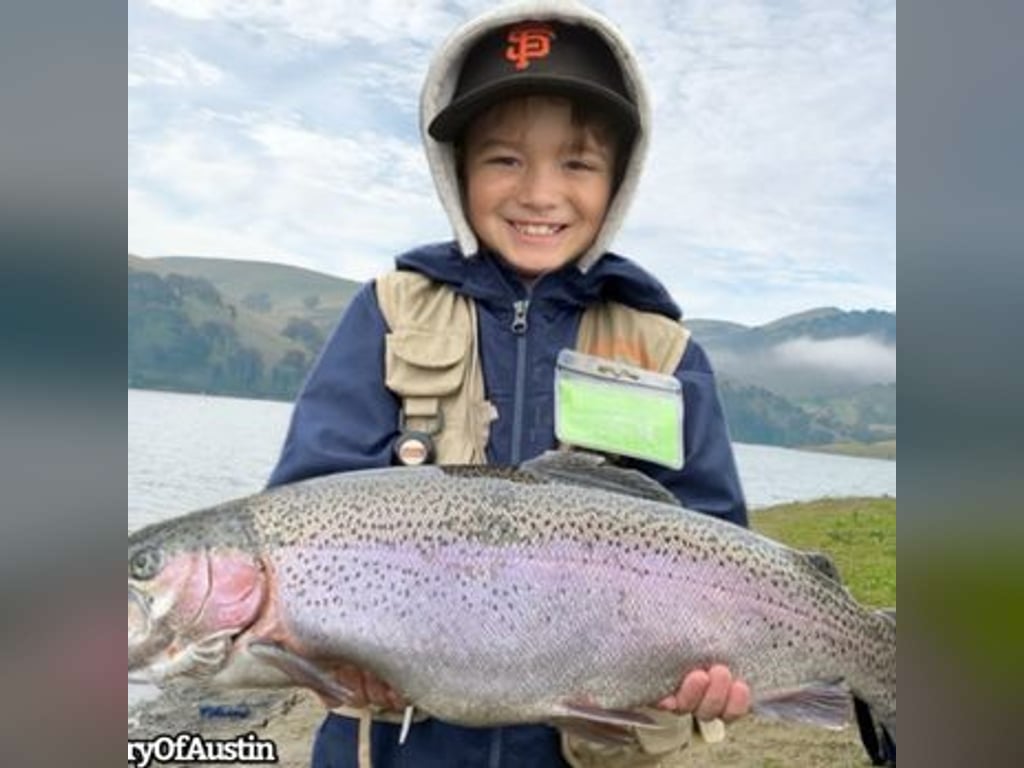
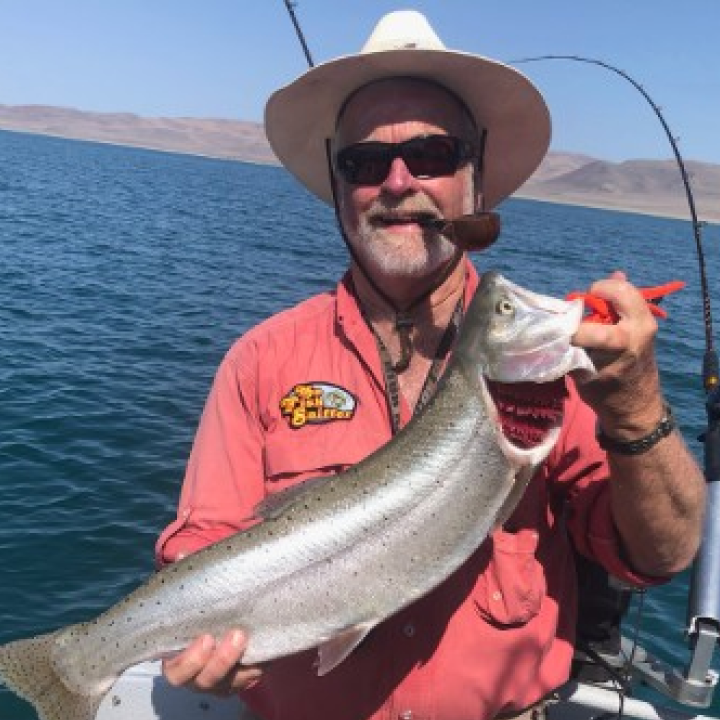
Los Vaqueros Reservoir Rental Boaters, Shore Anglers Nail Rainbows LIVERMORE – Heavy trout plants at Los Vaqueros Reservoir have kept the trout bite going lately. A total of 20,000 pounds of Mt. Lasse...
 Dan Bacher
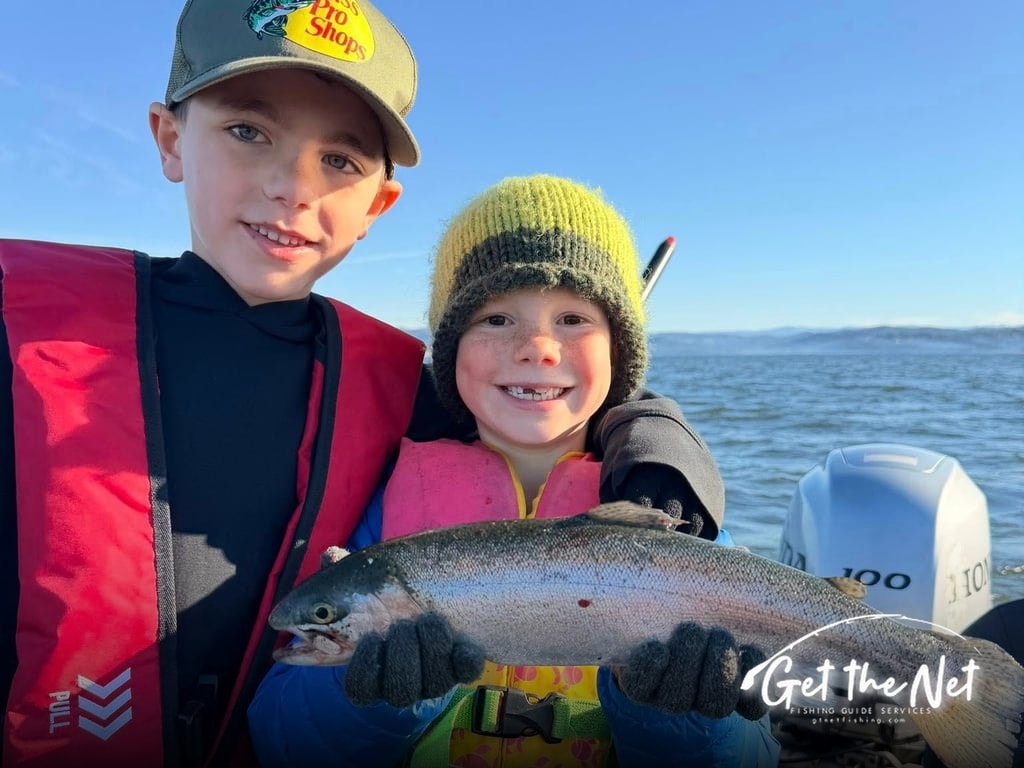
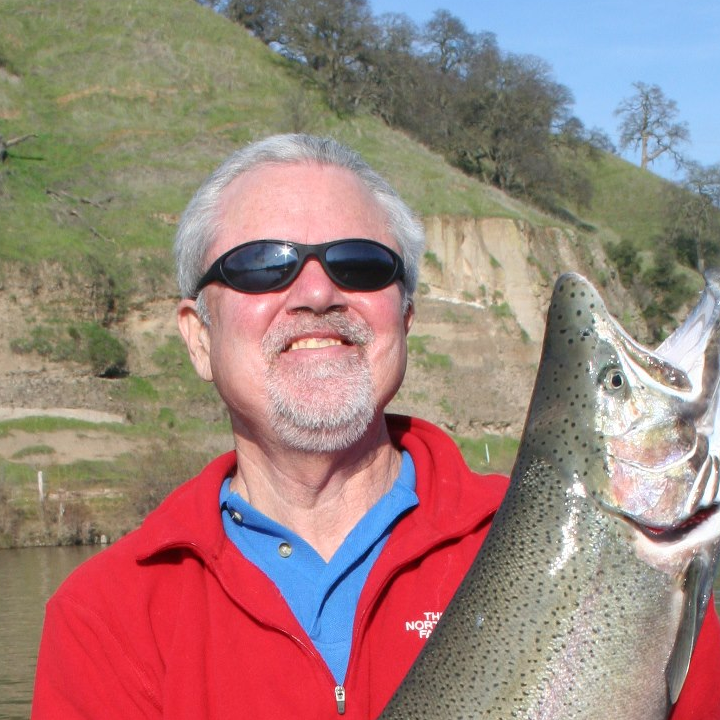
Non-stop Trout Action at Folsom Lake We caught up with Tom Mailey from Get The Net Fishing Guide Service, and the bite a...
 Tom Mailey
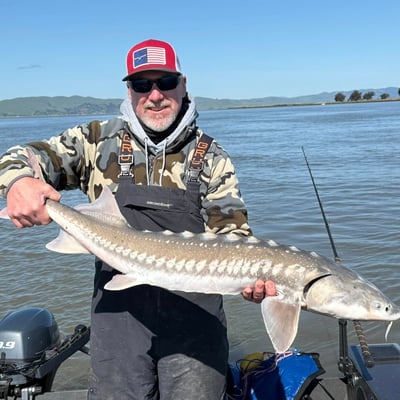
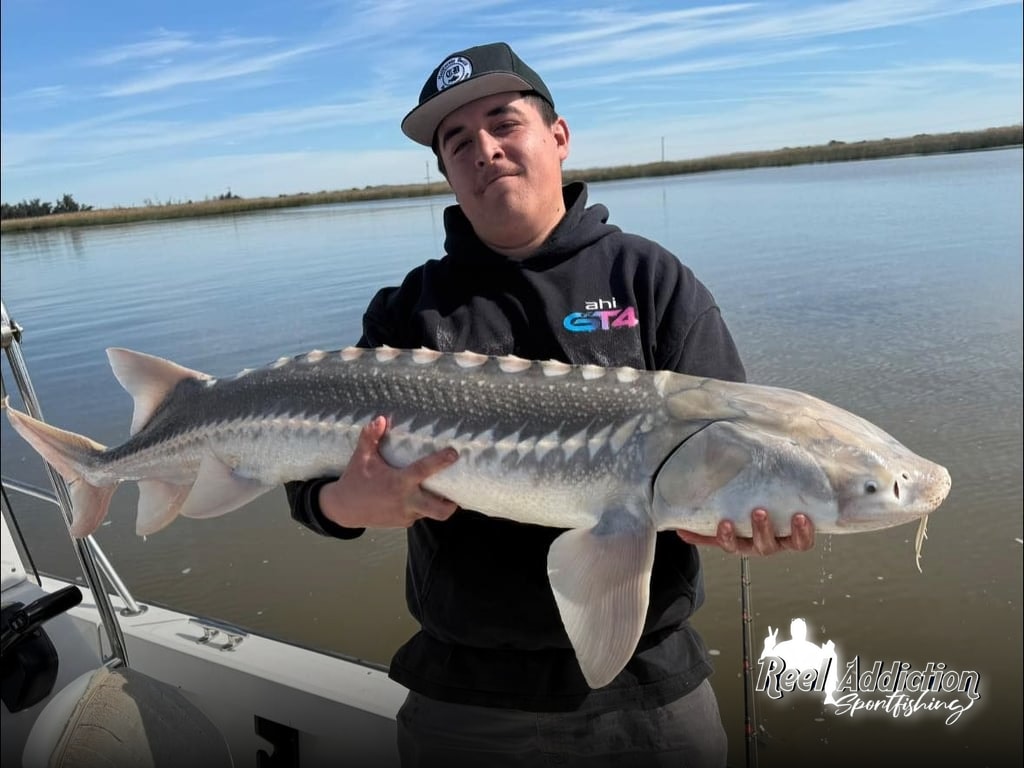
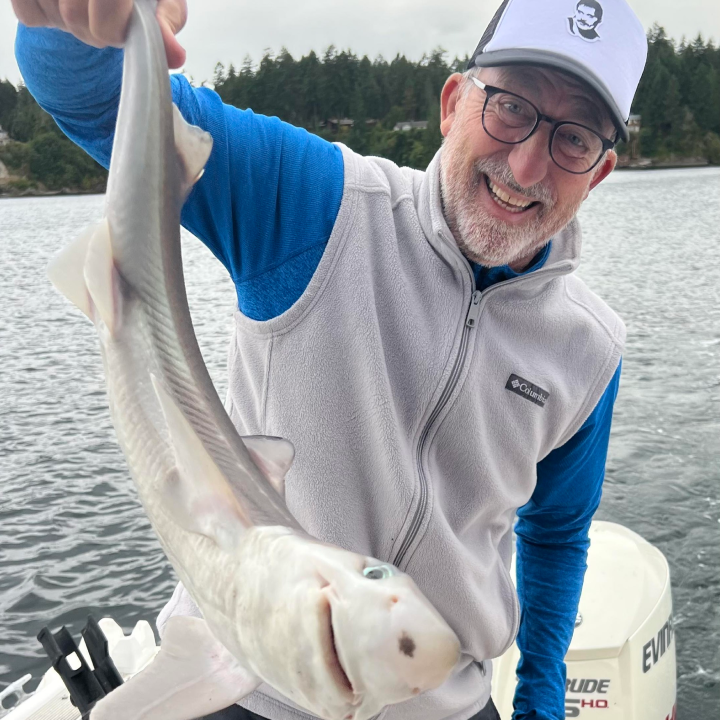
If you've ever spent a day chasing sturgeon, you know the deal. It's a massive grind that can leave you staring at a mot...
 Ben Mechling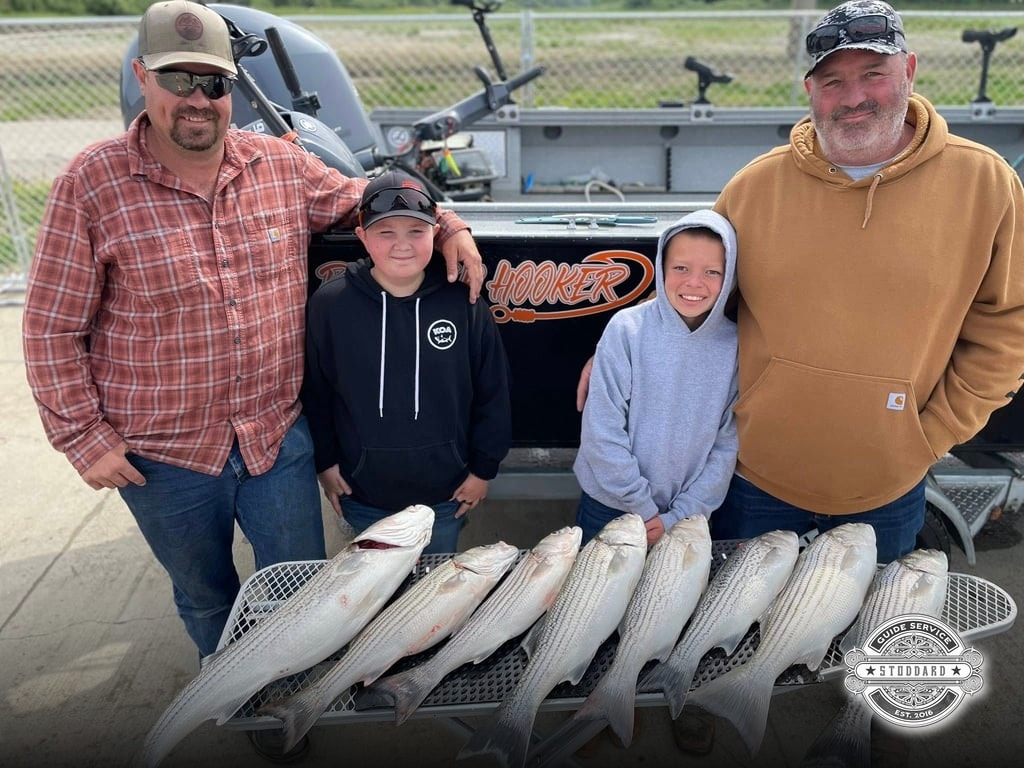
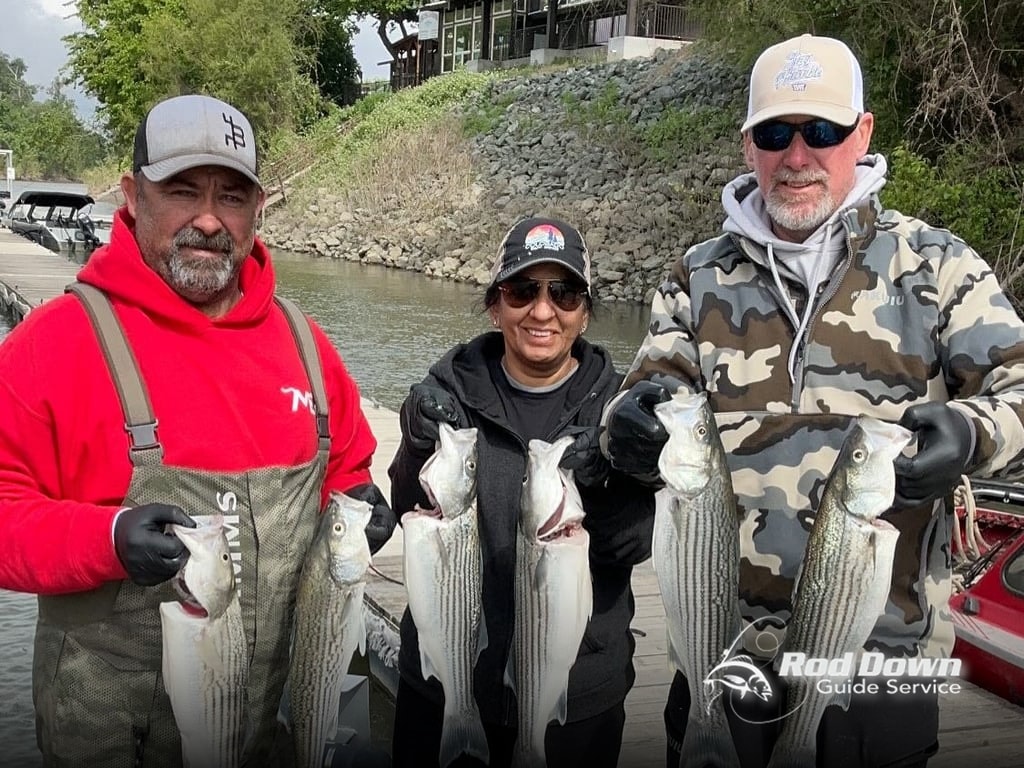
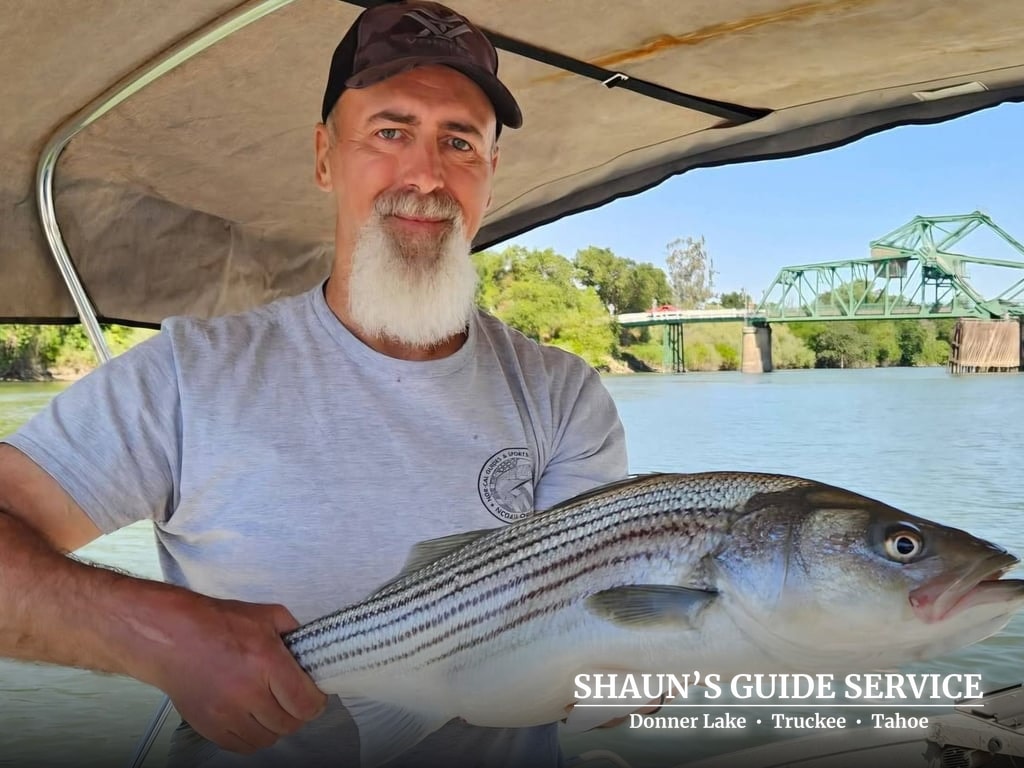
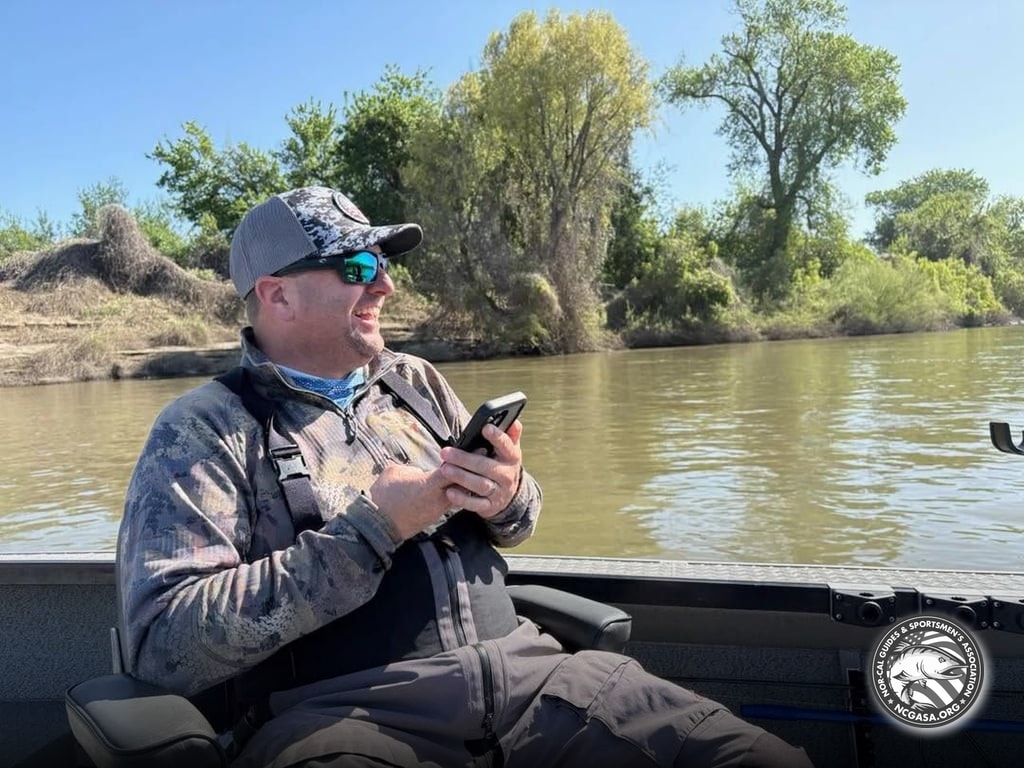
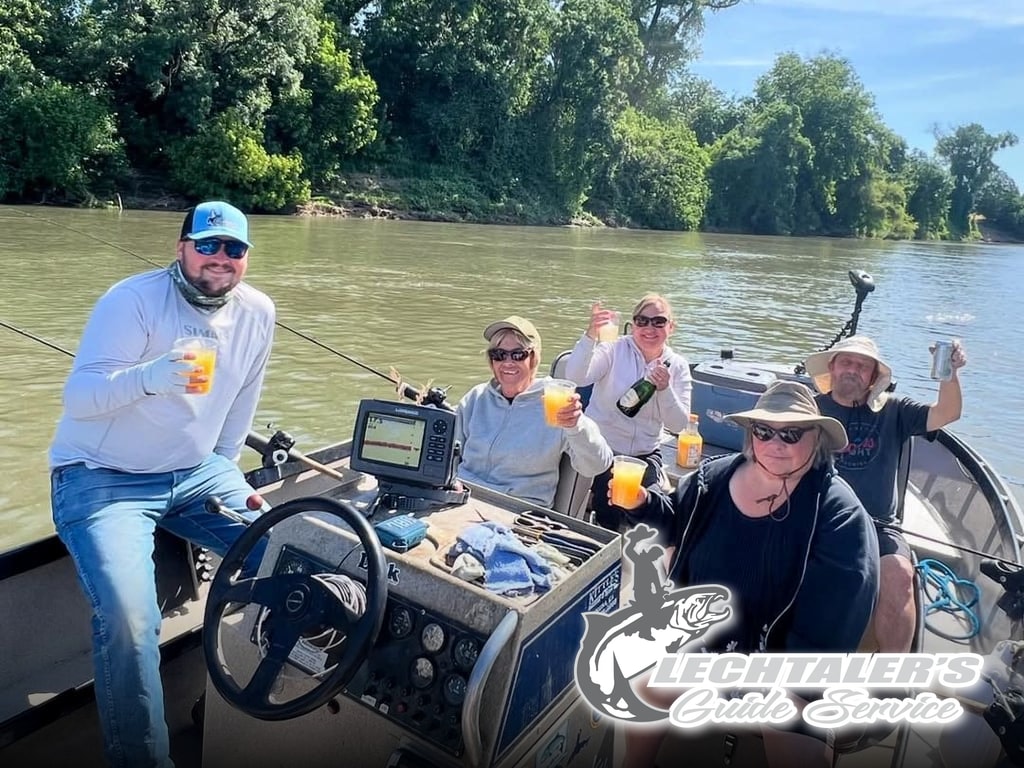
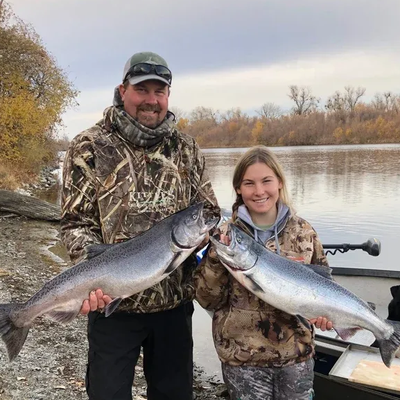
Captain Rob is locked in on stripers right now. He is hitting prime water on the Delta and around Colusa, and he has a f...
Rob Stoddard
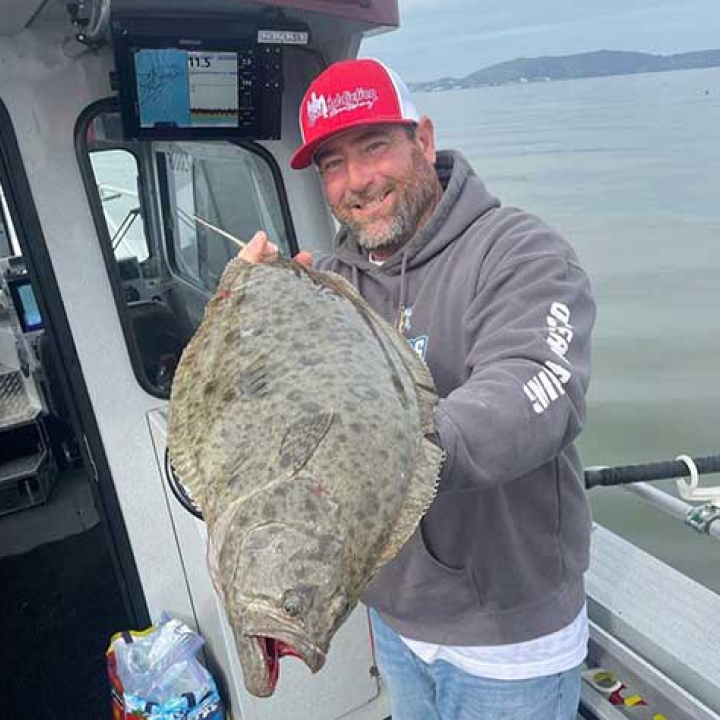
Reel Addiction Sportfishing out of San Francisco Bay is doing lots of prep and has exciting things coming up for the upcoming seasons. They run two boats that always come back with huge hauls, fishing...
Ben Mechling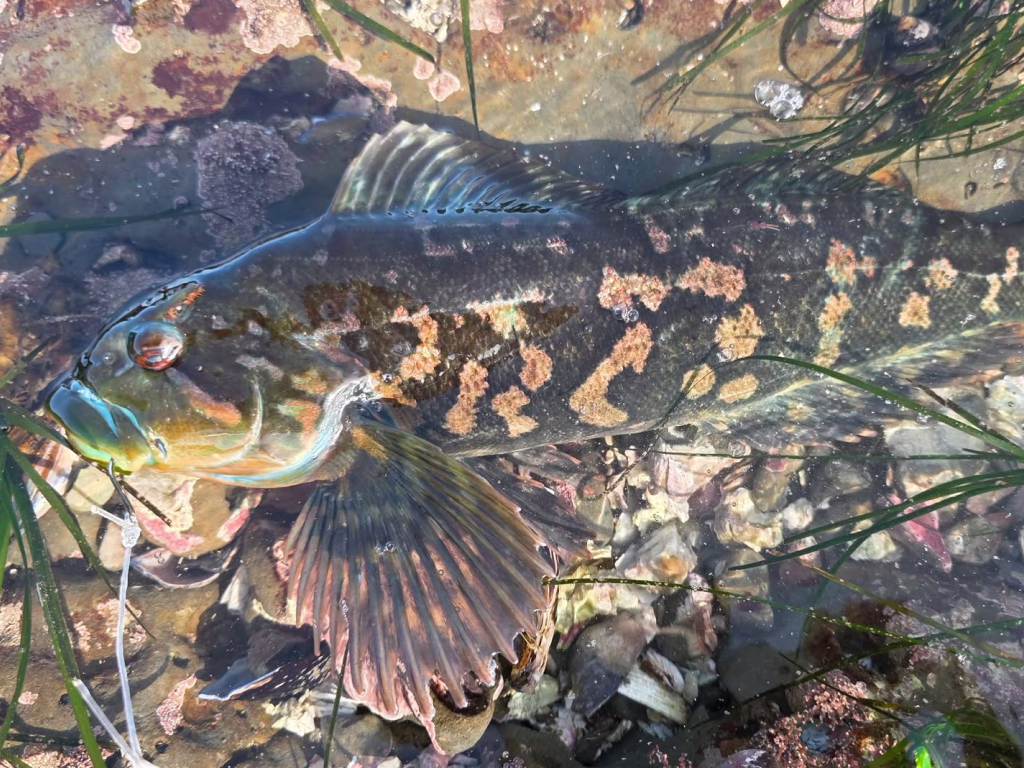
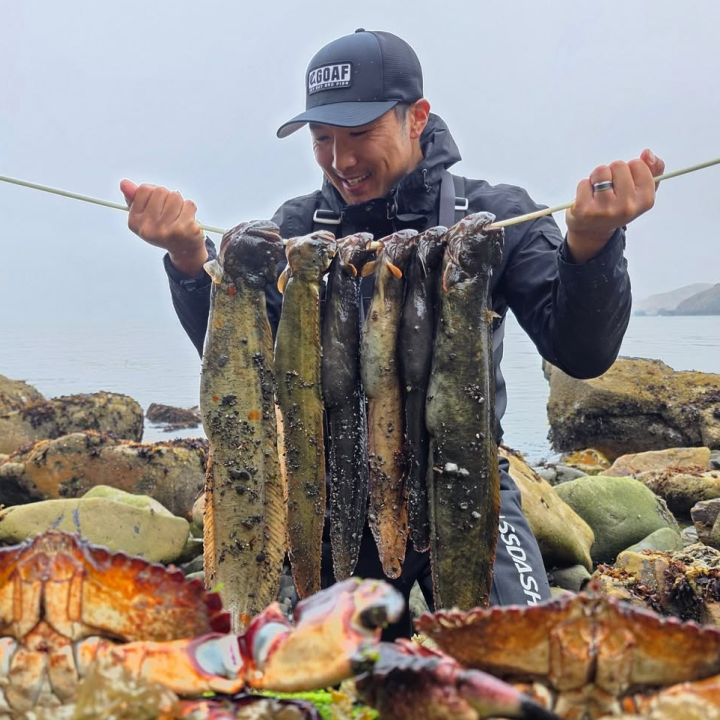
Lawrence Ngai from Durasnare went poke-poling at low tide and brought back a good haul: one greenling, one monkeyface pr...
 Lawrence Ngai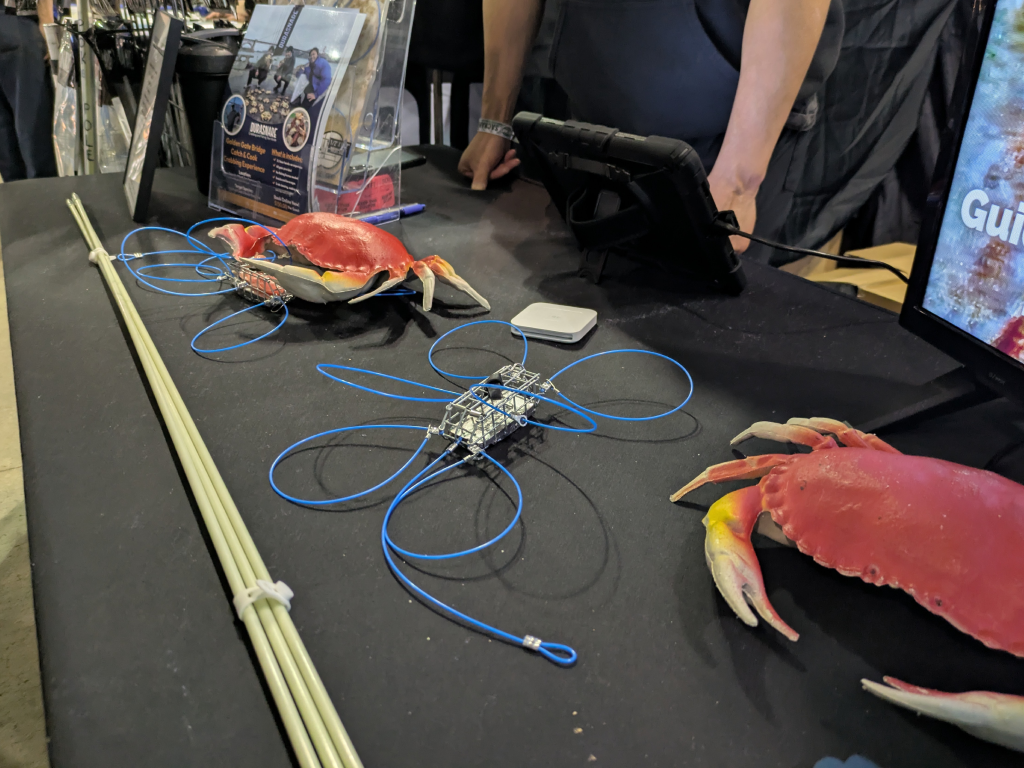
The Fish Sniffer team had a great time at the International Sportsmen's Expo this weekend. It was awesome to catch up wi...
Lawrence Ngai
The Fish Sniffer team had a great time at the International Sportsmen's Expo this weekend. We enjoyed meeting up with ou...
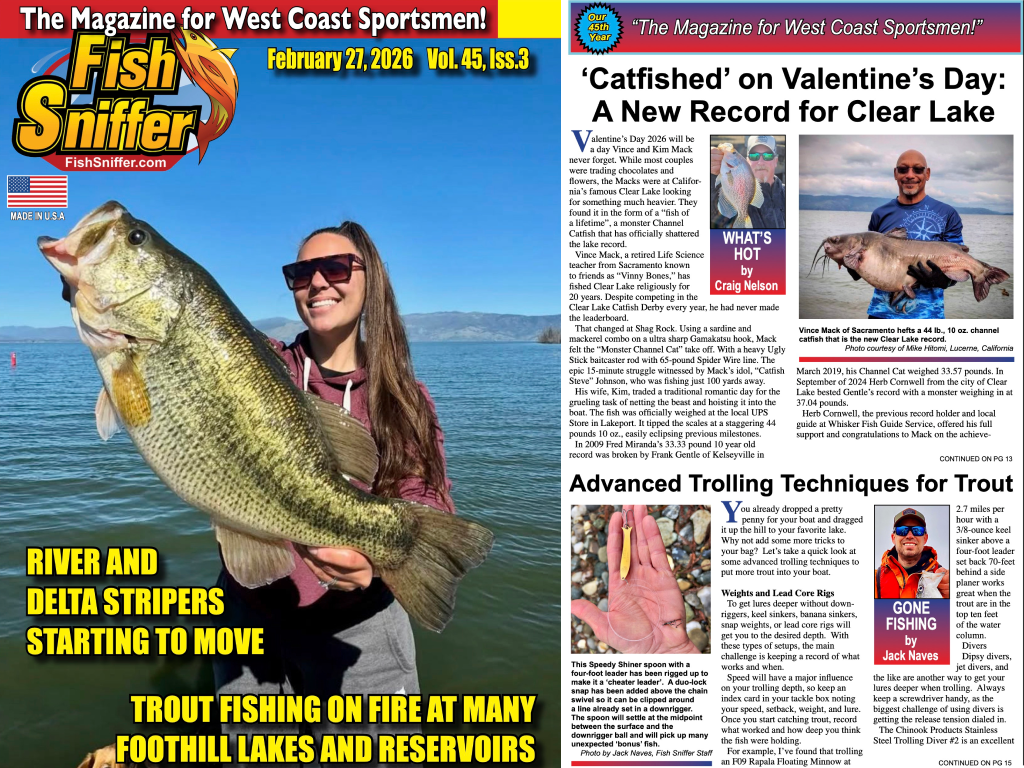
Ben MechlingCheck out the new Issue of The Fish Sniffer magazine for February 27, 2026. We cover everything from what's happening at Lake Amador, American River, Bullards Bar, Camanche, Eagle Lake, Folsom Lake, Los Vaqueros, New Melones, Pyramid, the Delta, Lake Shasta and more!
Los Vaqueros Reservoir Rental Boaters, Shore Anglers Nail Rainbows LIVERMORE – Heavy trout plants at Los Vaqueros Reservoir have kept the trout bite going lately. A total of 20,000 pounds of Mt. Lasse...
Dan BacherNon-stop Trout Action at Folsom Lake We caught up with Tom Mailey from Get The Net Fishing Guide Service, and the bite a...
Tom MaileyIf you've ever spent a day chasing sturgeon, you know the deal. It's a massive grind that can leave you staring at a mot...
Ben MechlingCaptain Rob is locked in on stripers right now. He is hitting prime water on the Delta and around Colusa, and he has a f...
Rob Stoddard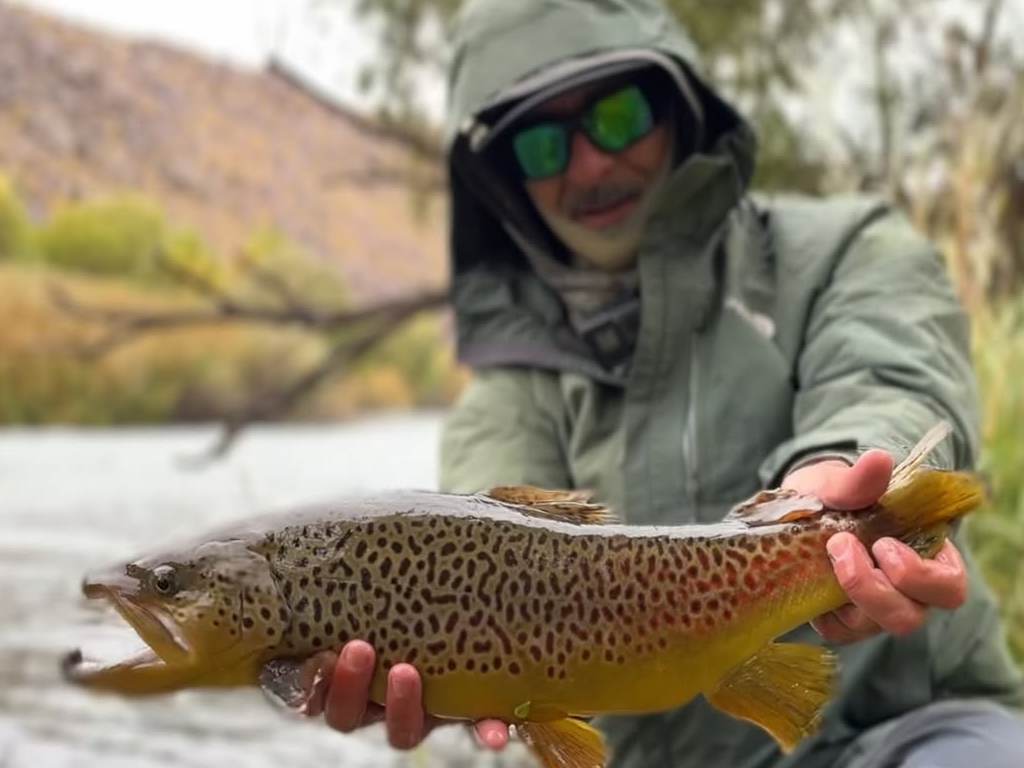
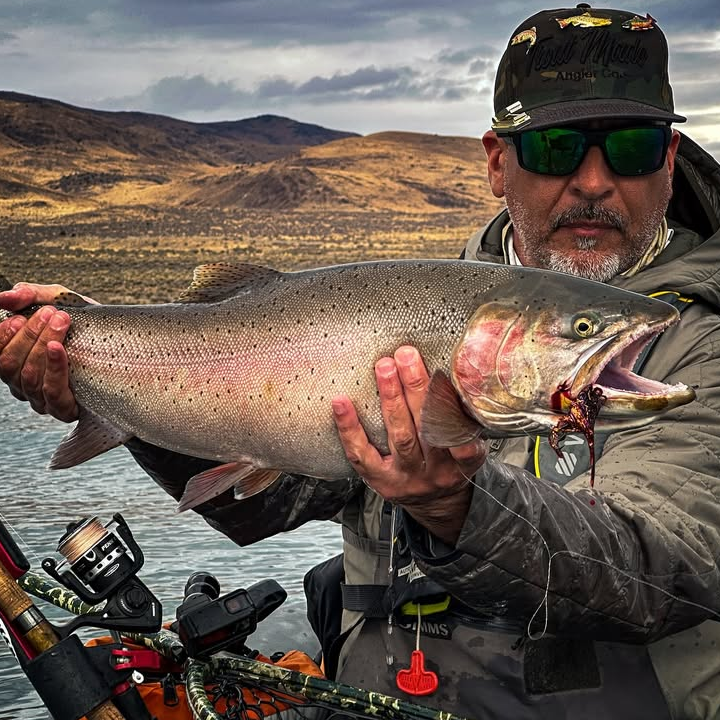
Mike Cooper of MADE Baits caught this brown in the Eastern Sierras. He hit the river reservoir edge during the tail end of a fall storm before check in and found a heavy pumpkin colored buck brown. It...
 Mike Cooper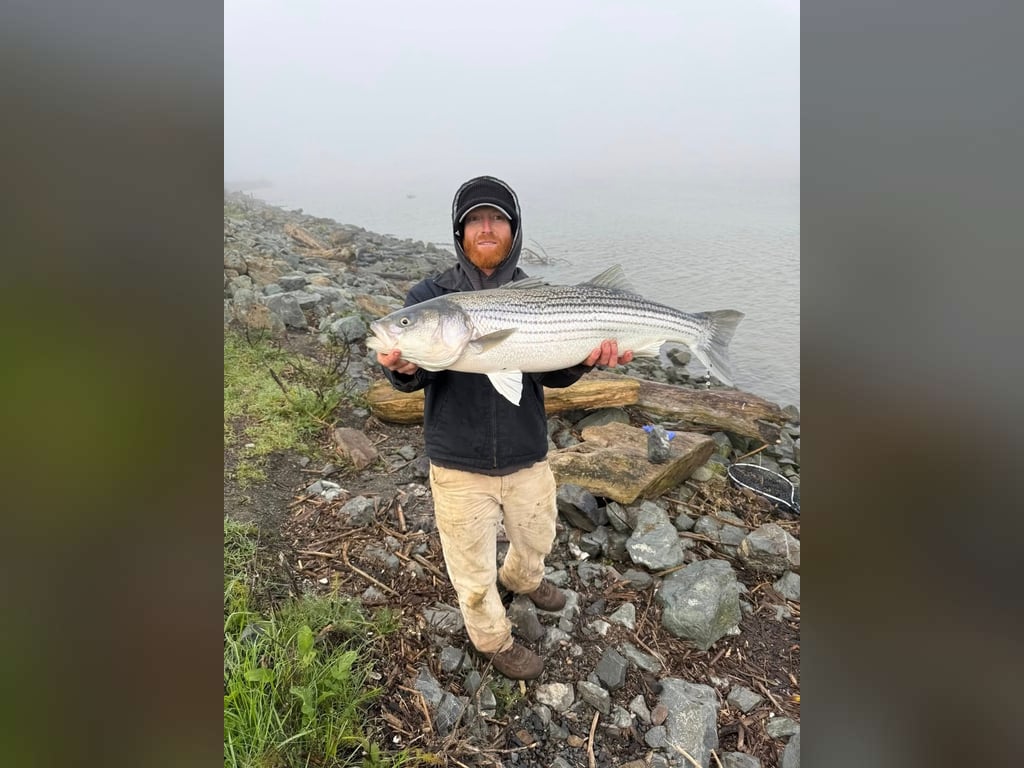
Rio Vista/Delta Get Ready for Spring Striper and Sturgeon Fishing! RIO VISTA - The latest storms, resulting in muddy and...
Dan Bacher
BURSON – Shore anglers and rental boaters are catching big numbers of black bass, particularly smallmouths, at Pardee La...
Dan Bacher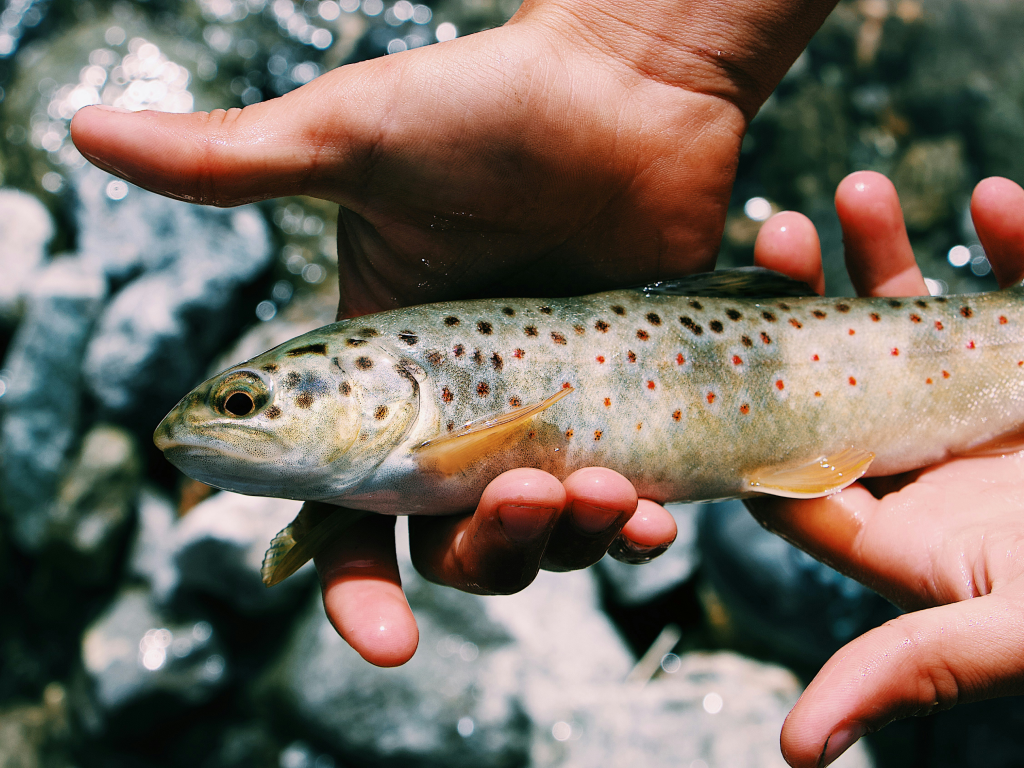
ANGELS CAMP – While kokanee salmon fishing has petered out as the fish go upriver to spawn, fishing for rainbow trout is...
Dan Bacher
Jack Naves made three trips to Collins Lake, landing trout up to seven pounds. He ran his North River Boat powered by Yamaha, guided by a Minn Kota trolling motor. He employed Edge Mag Pro Rods in Cannon downriggers and ClearBoard side planers. The rods were teamed with Abu Garcia Max Toro DLC line-counter reels spooled with Trilene XT 14-pound test clear mono. They trolled Arctic Fox trolling flies with Wiggle Fin Action Discs tipped with red worms, plus Rapala F09 Floating Minnows in the ‘Hot Steel’ color. 4-foot leaders were made of 12-pound test Seaguar InvizX fluorocarbon line.
Paul Kneeland fished Rollins Lake from the shore. He caught rainbow trout to 13 inches casting small silver Kastmaster and Jake’s spoons using a 7 foot Wade Rods ultralight spinning rod with a Abu Garcia Revo STX reel loaded with 15 lb test Stren sinking braided line in water 10 to 30 feet deep off the dam.
Dan Bacher fished for rainbow trout from shore at Sugar Pine Reservoir. He used a Berkley Ugly Stik GX2 6’ 6” medium action spinning rod, teamed up with a Shakespeare GX235 spinning reel filled with 8 lb. test P-Line CX Premium Fluorocarbon Coated Line. He used Berkley Tequila Sunrise Power Bait on a #14 Eagle Claw gold treble hook on a sliding sinker rig.
Hefty largemouth bass are the reward for anglers using live scopes to locate fish. Use shad pattern swimbaits, jigs and other lures for the best success.
Holdover rainbows, recent planters and king salmon are being caught by experienced anglers. Troll with Trout Trix Worms, Speedy Shiners and other lures from the surface to 25 feet deep.
Sanddabs, along with petrale sole and mackerel, are the reward for anglers venturing out on charter boats out of Santa Cruz and Monterey. Tom’s jigs, tipped with squid strips, are the top lures.
Trollers are catching rainbow trout on spoons and plastic worms behind dodgers. Shore anglers are hooking trout while tossing out PowerBait and nightcrawlers.
The spotted bass action should shift into high gear for anglers using small swimbaits and soft plastics. Expect to catch fish in the 15 to 25 foot range.
Fishing for striped bass is tough on the Delta. However, anglers trolling Dredger lures and spooning in the Port of Sacramento and Deep Water Channel are catching fish averaging 6 pounds.
The stretch of river below Nimbus Fish Hatchery is producing steelhead. Anglers are throwing spoons, drifting nightcrawlers under floats and pulling an array of plugs.
The steelhead season is in full swing. Boaters are hooking bright steelies while pulling plugs, while shore anglers are using fish pills, yarn and salmon roe.
Rainbow and brown trout are hitting flies on the Truckee River. The stonefly hatch is expected to begin in March.
Steelhead fishing has been tough since dam removal. However, one guide reported catching and releasing 6 adult fish while fly fishing on a recent trip.
The lake reopened to fishing on February 6. 4,000 pounds of rainbow trout went into the reservoir before the opener
Catch-and-release sturgeon fishing has been productive. Use ghost shrimp, salmon roe and lamprey eel for the sturgeon.
Rockfish and lingcod season will begin on April 1. Expect to bag limits of colorful rockfish, along with lingcod, while using bars, jigs and shrimp flies.
It won’t be long before the striper run begins in the Sacramento and Feather rivers. The fish typically start moving into the rivers in early March.
Expect the perch fishing to pick up off the Sonoma County Coast in March and April. Toss out pileworms, shrimp and plastic grubs for the best action.
Bay Area party boats will begin trolling anchovies and herring for halibut in March. This should be another great halibut season.
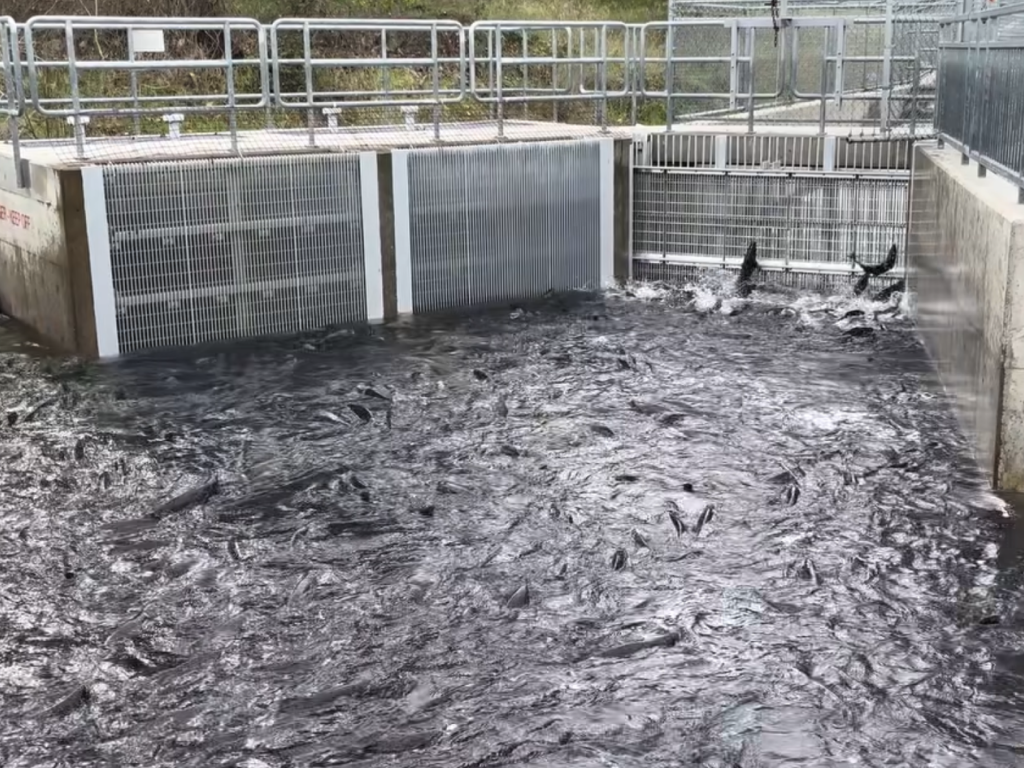
American River, CA – Following the opening of the Nimbus Hatchery fish ladder last week, California Department of Fish and Wildlife staff started spawning fall-run Chinook salmon on Monday, November 1...
 Fish Sniffer Staff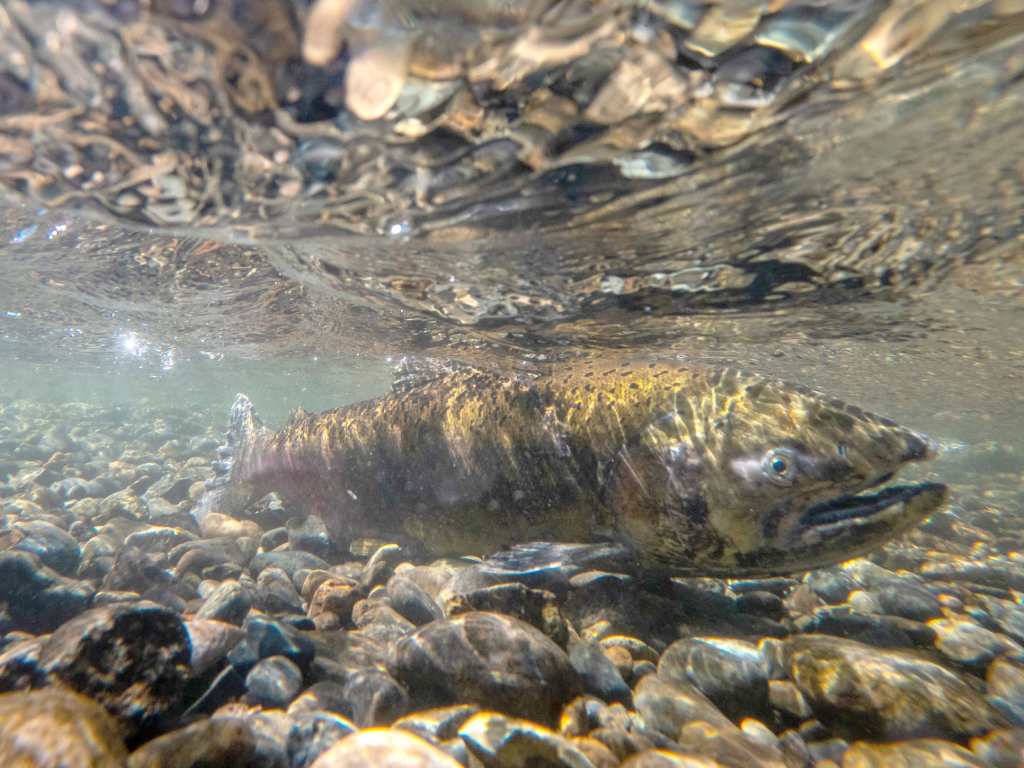
CDFW to Host Public Meeting on California’s Salmon Fisheries Sacramento - The California Department of Fish and Wildlife...
Dan Bacher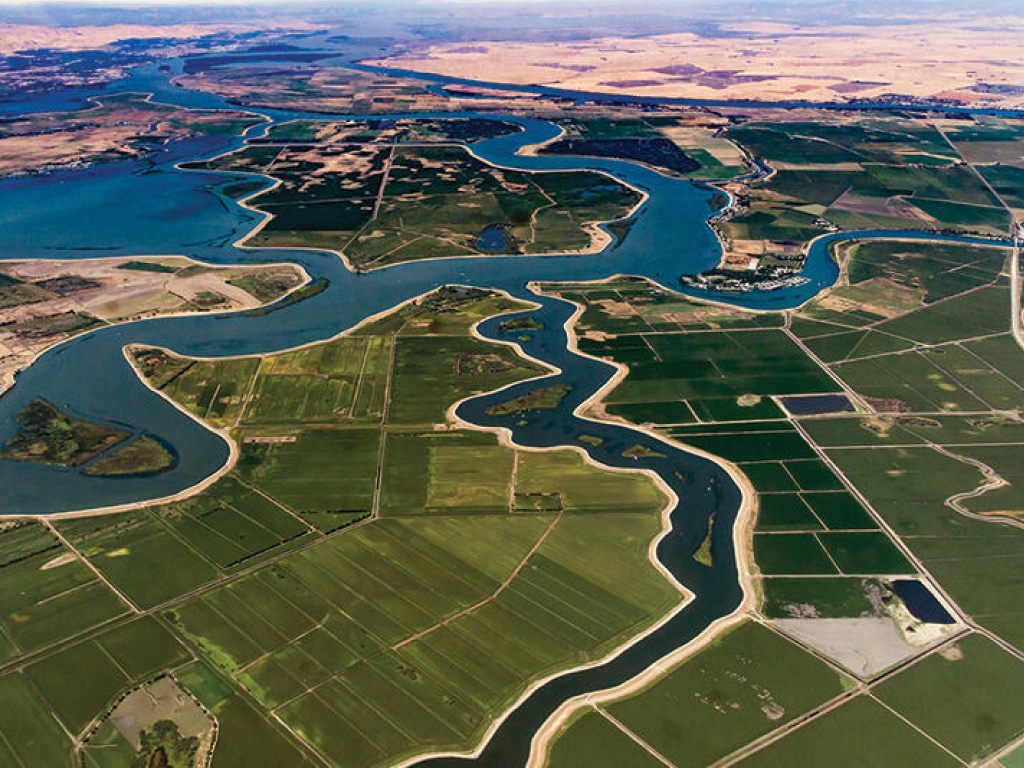
SACRAMENTO — Opponents of the Delta Tunnel project last month celebrated their successful campaign against Newsom’s trai...
Dan Bacher
Delta Tunnel opponents slam Gov. Newsom's revised budget plan to fast-track project SACRAMENTO - Sacramento — Governor G...
Dan Bacher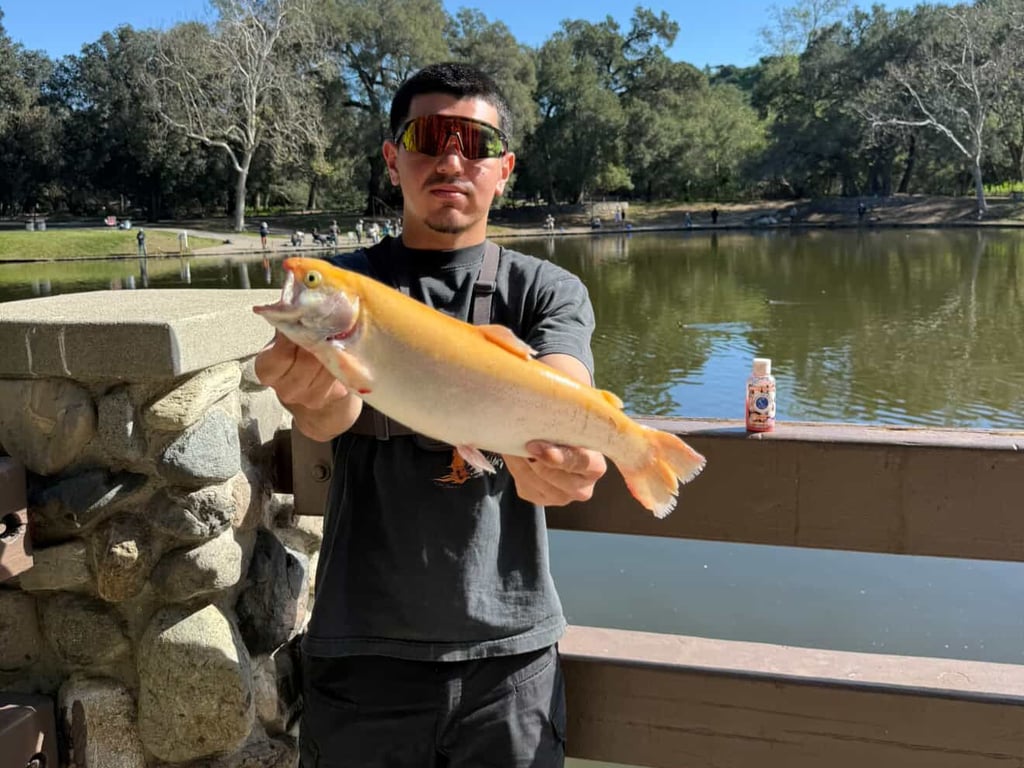
Tom Guzman knows that when Irvine Regional Park drops 800 pounds of fresh trout into the water, you’ve got to show up with a plan. He recently hit the lake and walked away with a beautiful 2.1 pound l...
 Tom Guzman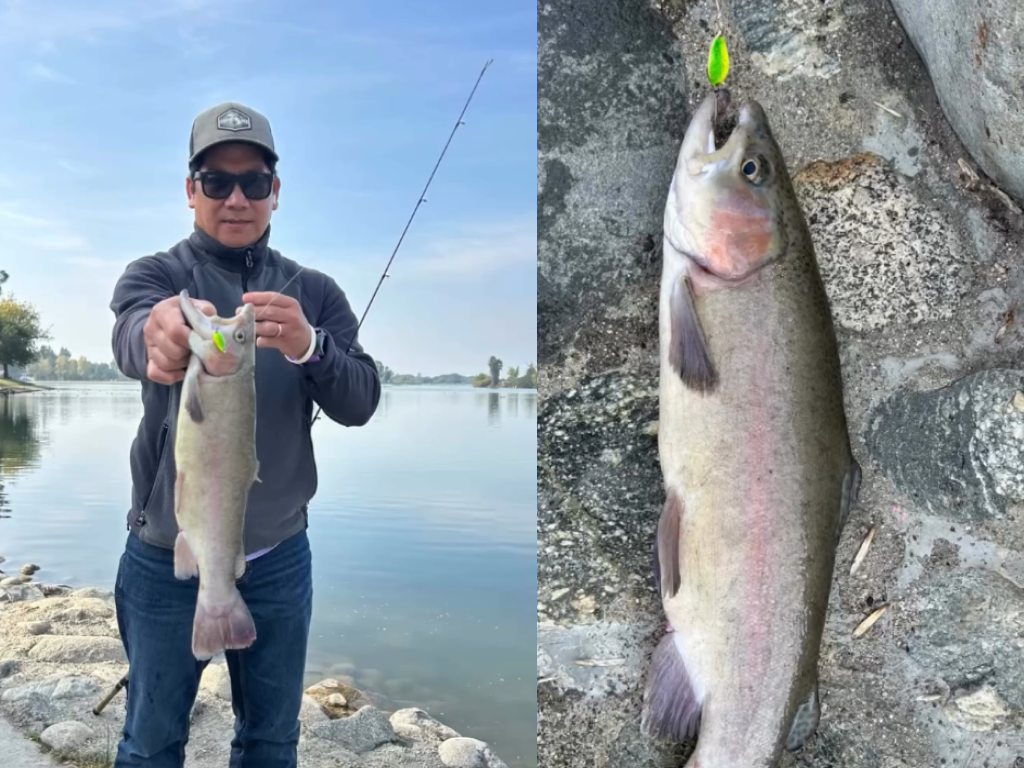
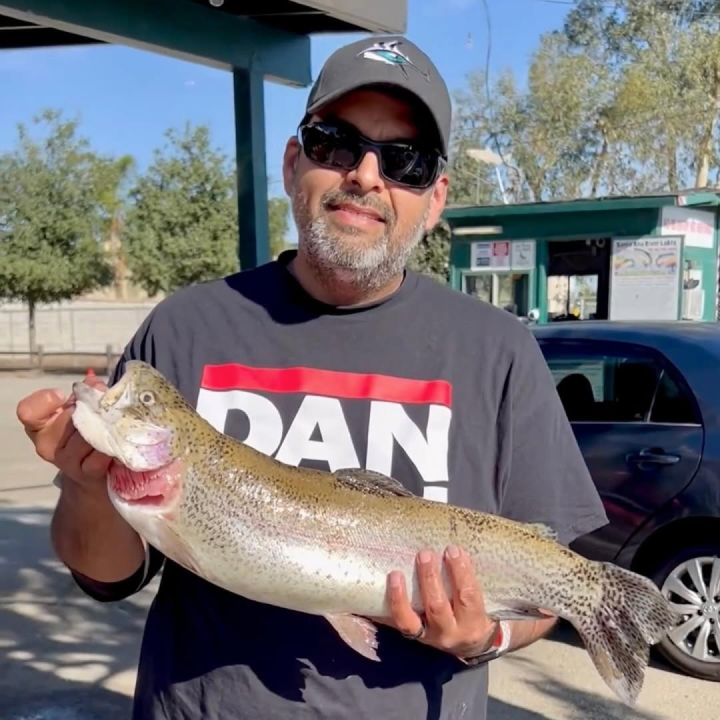
Dancin Fish Baits has been busy producing spoons, and they're delivering results for Southern California trout anglers t...
 Dancin Fish Baits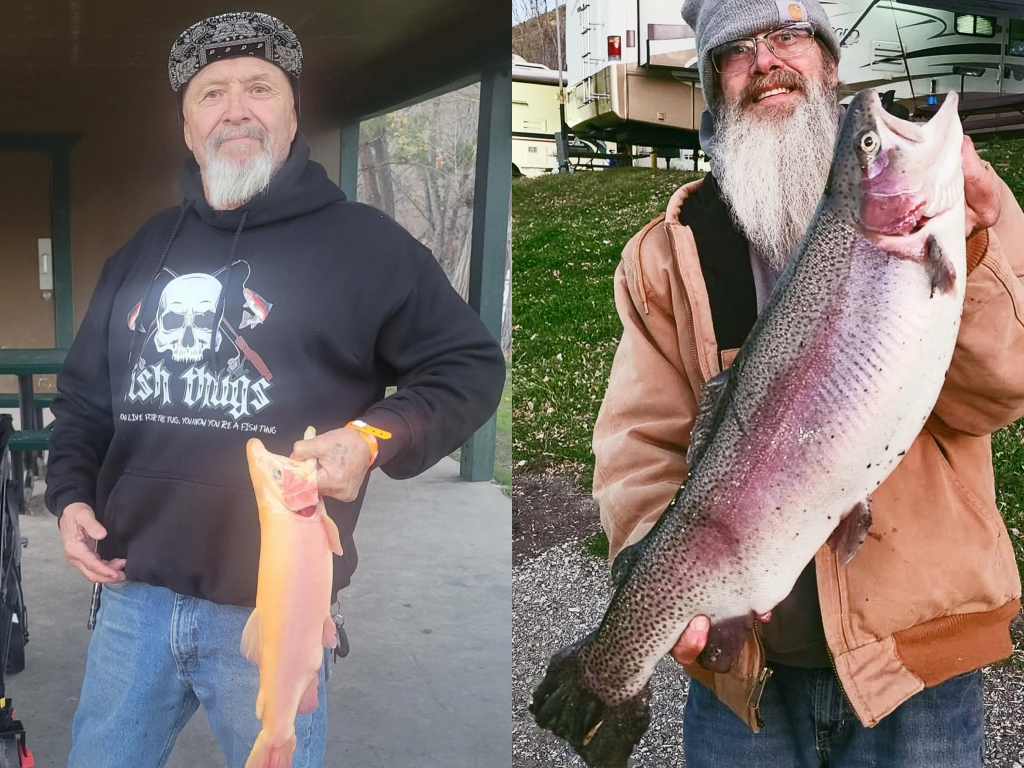
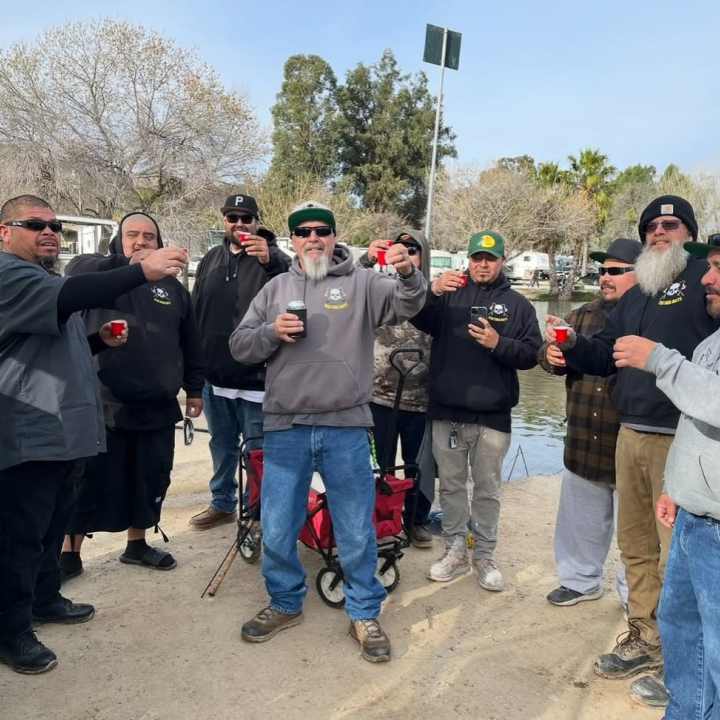
Fish Thug Baits has been producing mini jigs that are working well for Southern California trout anglers this season. Wi...
 Fish Thugs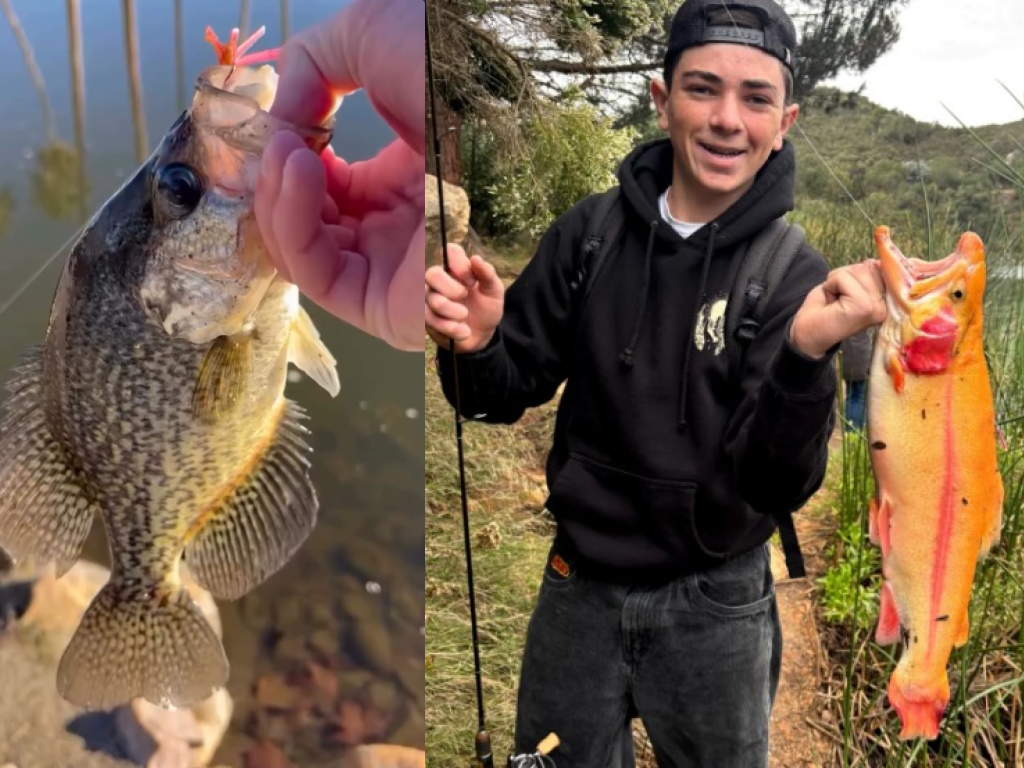
MADE Baits are getting attention everywhere this season. Originally crafted for trout, these baits have proven so effect...
Mike Cooper